By Amanda Simó
Why do we work in a multidisciplinary way in an architecture firm for childhood?
When we design for children we are not designing mini versions of the adult world: we design ecosystems of development.
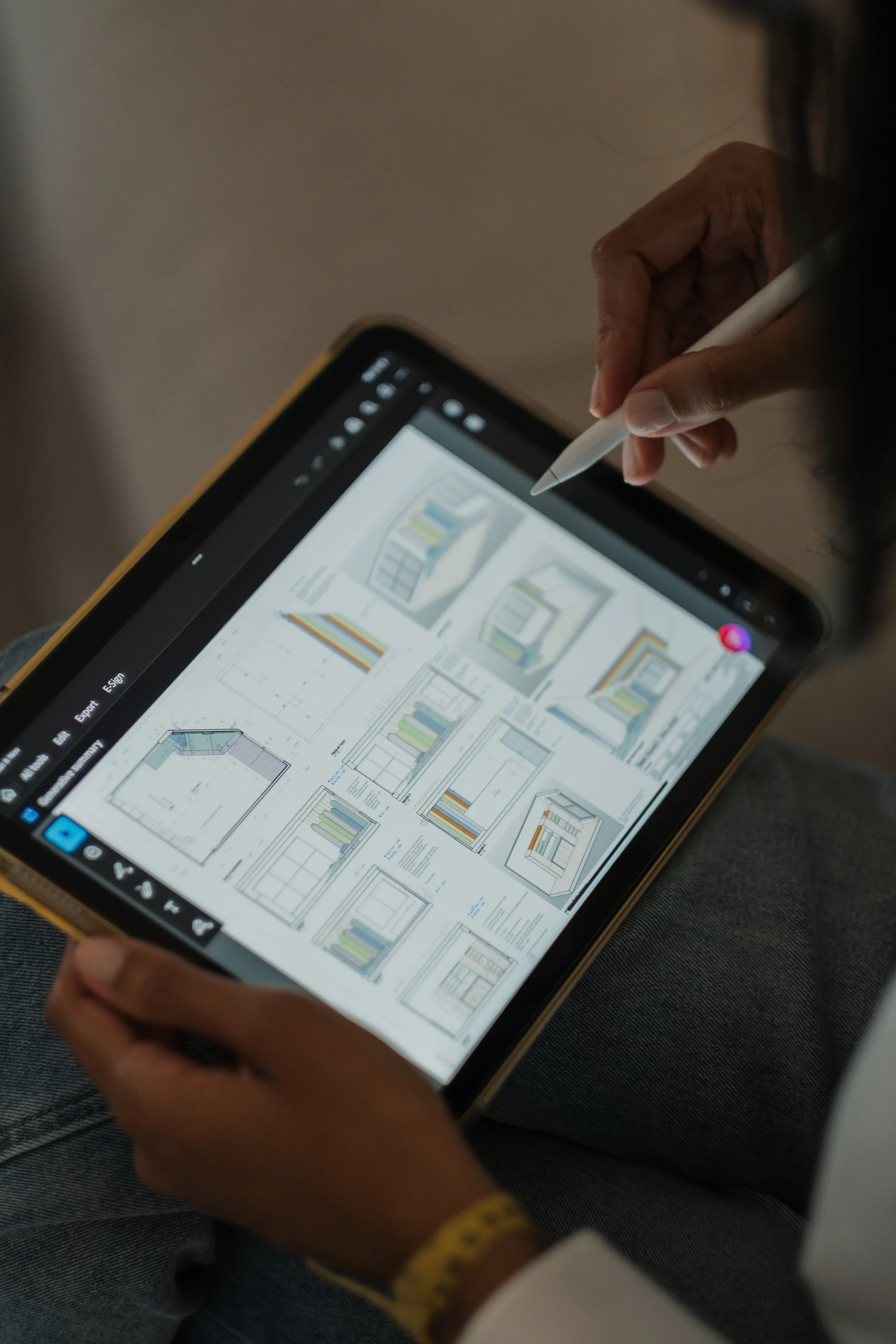
When we design spaces for children, we are not designing 'mini versions' of the adult world. We are designing ecosystems of development — places where every architectural gesture (a gentle ramp, an access at their eye level, a sheltered nook, a warm texture) becomes a stimulus to grow, explore, understand, and be.
That is why, in our studio, design is never born from architecture alone. It is born from a multidisciplinary dialogue that weaves pedagogy, developmental psychology, neuroscience, playful design, and observation. Not because it sounds interesting, but because childhood needs it.
1. Architecture for children cannot be designed in isolation
A child's development is complex, dynamic, and deeply sensitive to the environment. Physical space influences their emotional safety, their disposition to move, their autonomy, and their capacity to relate to others.
That is why, when we design, we work as a team with professionals who understand how a child's body and mind unfold: pedagogy tells us which skills need to be stimulated at each stage; child psychology helps us understand how they feel and how they interpret the environment; neuroscience offers keys about how spatial stimuli can activate cognitive and emotional processes; ergonomics and playful design make the space livable, safe, and full of possibility.
Architecture then becomes the meeting point of these perspectives. We do not design walls: we design experiences.
2. What sets us apart: observing before imagining
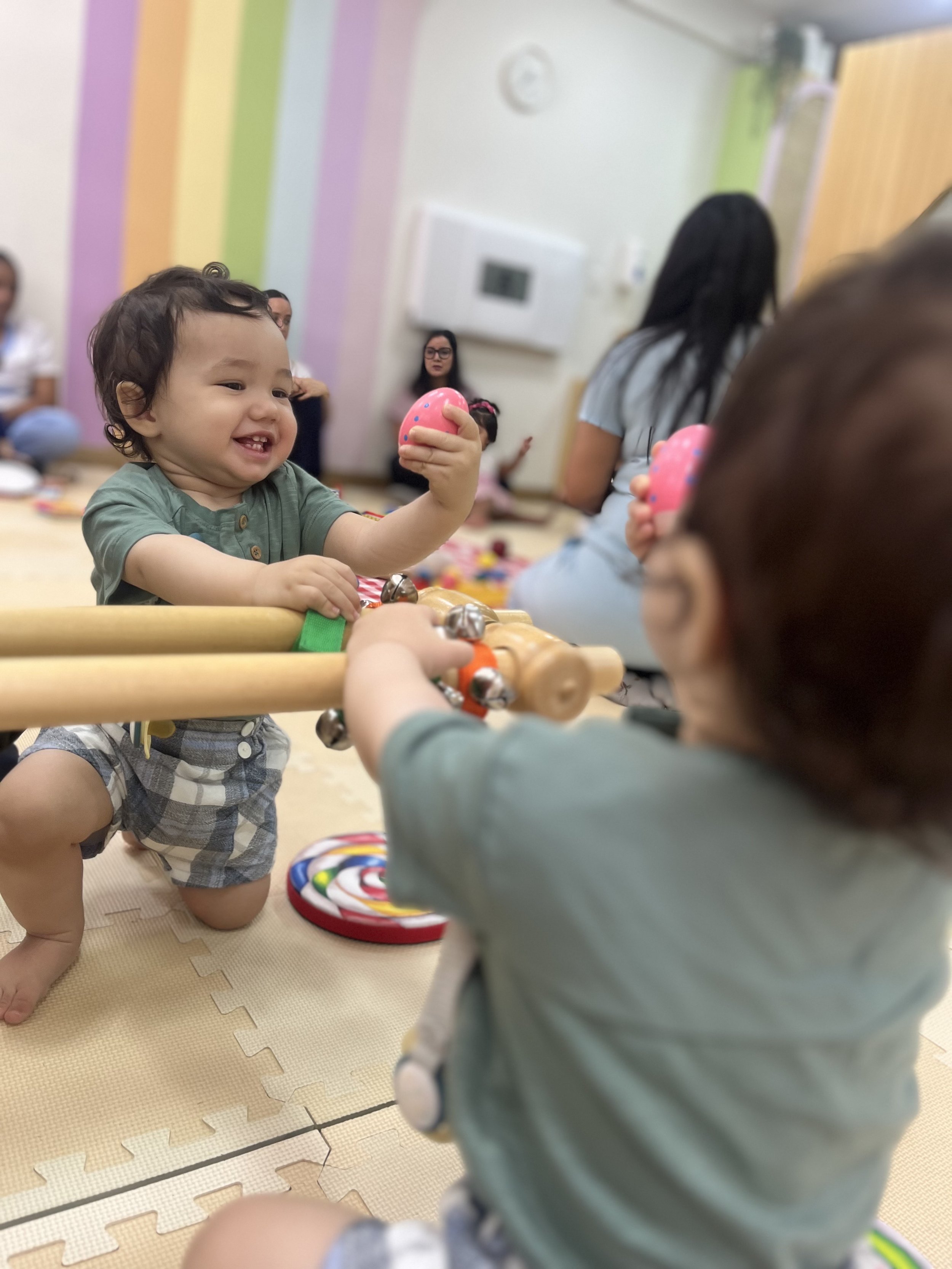
Many studios design from the object, the form, or the style. We prefer to begin elsewhere: observation. We watch how a one-year-old moves when starting a spontaneous game, how a group of preschoolers negotiates a corner, how an overly rigid space limits curiosity, and how light, sound, or the height of a piece of furniture can change the way a child explores.
This attentive, patient gaze — closer to research than to traditional design — guides our decisions. Each project is born not from a predetermined aesthetic, but from real questions: What do these children need? How do they learn? What makes them feel safe? What sparks their curiosity?
3. Spaces that accompany childhood, not overstimulate it
We live in a time when childhood often gets caught between overstimulation and excessive protection. Our stance is different: we design spaces that accompany without directing, that open possibilities without saturating, that invite free movement without turning it into a rigid circuit. We want each space to be an emotional support and a trigger of imagination.
4. Multidisciplinarity as an ethical responsibility
Working with childhood demands care. It demands rigor. It demands humility. That is why we do not believe in universal recipes or passing trends. We believe in listening, researching, and collaborating. Being multidisciplinary is not a differentiation strategy; it is an ethical responsibility toward those who will use the spaces: children who are building their inner world while exploring the outer one.
5. Our difference, in essence
We are not like other studios because we do not start from design, but from child development. Architecture, for us, comes after: as a tool to accompany processes, not as an end in itself. We design from the conviction that every spatial decision can transform the way a child feels, learns, and plays. And doing it well requires uniting disciplines, sensitivities, and different languages.
Multidisciplinarity is not only our method: it is our identity.
Want to explore these principles in your space?
Start your project