By Amanda Simó
The power of space: how architecture influences early stimulation in childhood
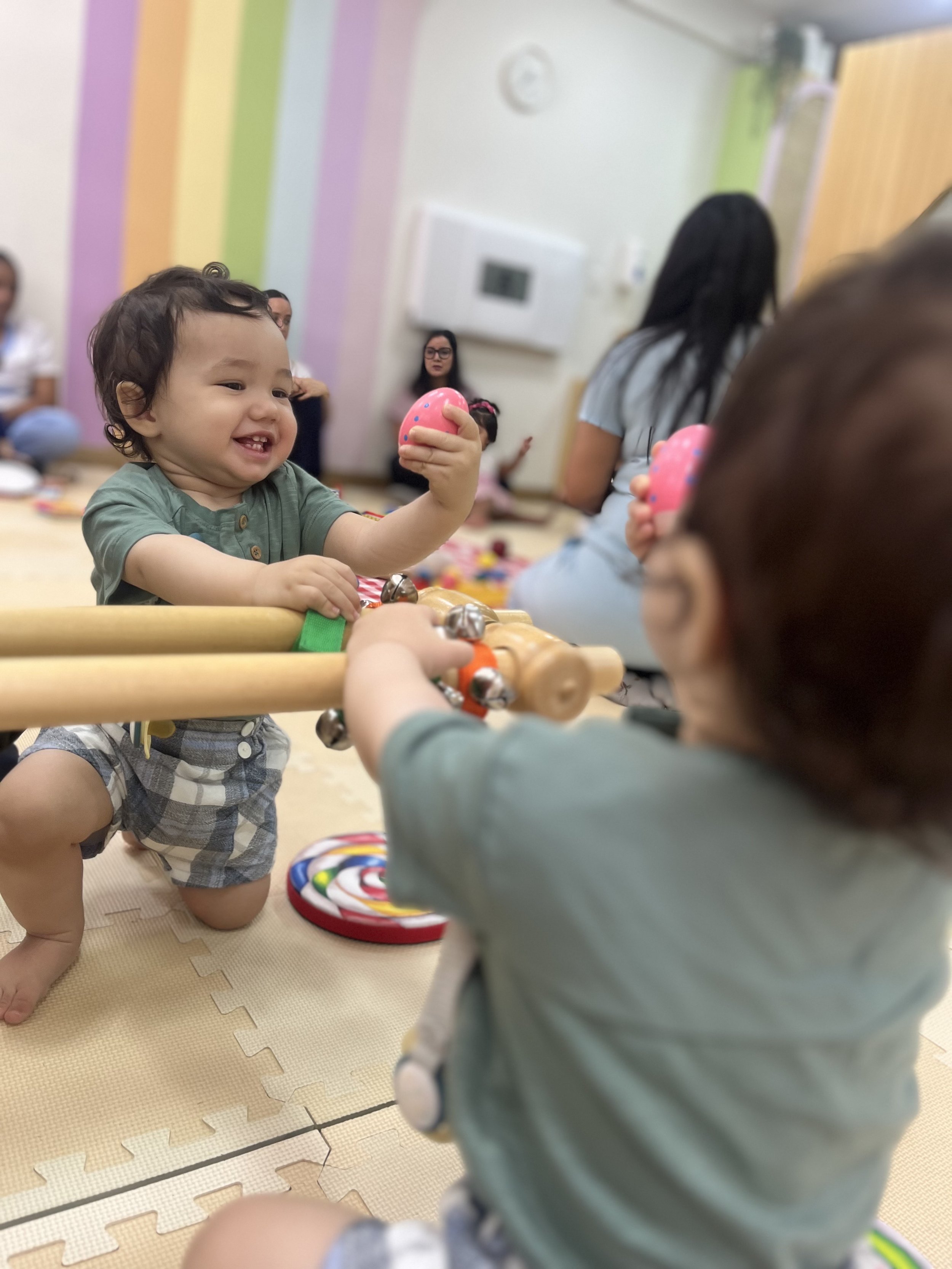
The space a child inhabits is a constant stimulus that accompanies, guides, and sustains their development.
In the first years, child development advances at a quiet but astonishing pace. Every gesture, every movement, and every discovery is part of a web of neurological connections that helps the child make sense of the world. And although we usually associate stimulation with activities or toys, there is an equally influential factor: the space the child inhabits.
From developmental psychology and active pedagogies, it is recognized that the physical environment is not a mere backdrop, but a constant stimulus that accompanies, guides, and sustains the child's natural curiosity. Well designed, space can calm, inspire, and open real possibilities for learning.
Space as a first language
Before they can express themselves with words, children already interpret their environment through their bodies. They do so by reading light, recognizing textures, exploring distances, and responding emotionally to how rooms are organized.
This sensory contact with space directly influences their ability to self-regulate, concentrate, play, and relate to others. Beyond the technical, there is also a deeply human dimension: space works as a first embrace, a place where the child discovers whether they can move freely, explore safely, or simply be themselves.
Architecture that accompanies development
Early stimulation consists of offering experiences aligned with each child's developmental pace. Architecture can facilitate this process when it is designed from a child-centered perspective: a safe surface can encourage free movement, an accessible scale awakens independence, and a clear path invites further exploration.
The principles of autonomous movement, sensory exploration, visual order, and environmental clarity are directly reflected in how the child builds motor, cognitive, and socio-emotional skills. A suitable environment does not force or direct: it invites.
Instead of filling with stimuli, we care for their quality. Instead of limiting play, we create opportunities. Space thus becomes a constant companion of development.
An approach that unites science, body, and emotion
Designing for childhood requires understanding both neurological processes and the emotional dimension. Children need order and clarity to feel safe, but also stimuli that awaken curiosity and play. The key lies in balance.
The most favorable environments are those that combine: simplicity and order, natural and sensory materials, open zones and cozy corners, gentle light and intuitive paths, and stimuli that do not overwhelm but do invite exploration.
When design responds to the child's body and emotions, space stops being decorative and becomes a tool that nourishes, calms, and enhances learning.
Space as everyday experience
Stimulation does not happen only at specific times of day; it happens every instant. A home, a preschool, a waiting room, or a café can become environments of deep learning if they are thought through with a child's lens.
When architecture acknowledges this reality, spaces begin to accompany life, not merely to organize it. They become settings that offer calm when everything feels too big, movement when the body asks for it, and possibility when imagination wants to expand.
Want to explore these principles in your space?
Start your project