By Amanda Simó
How are early stimulation and architectural design related?
The physical environment is one of the first and most powerful stimuli in a child's life.
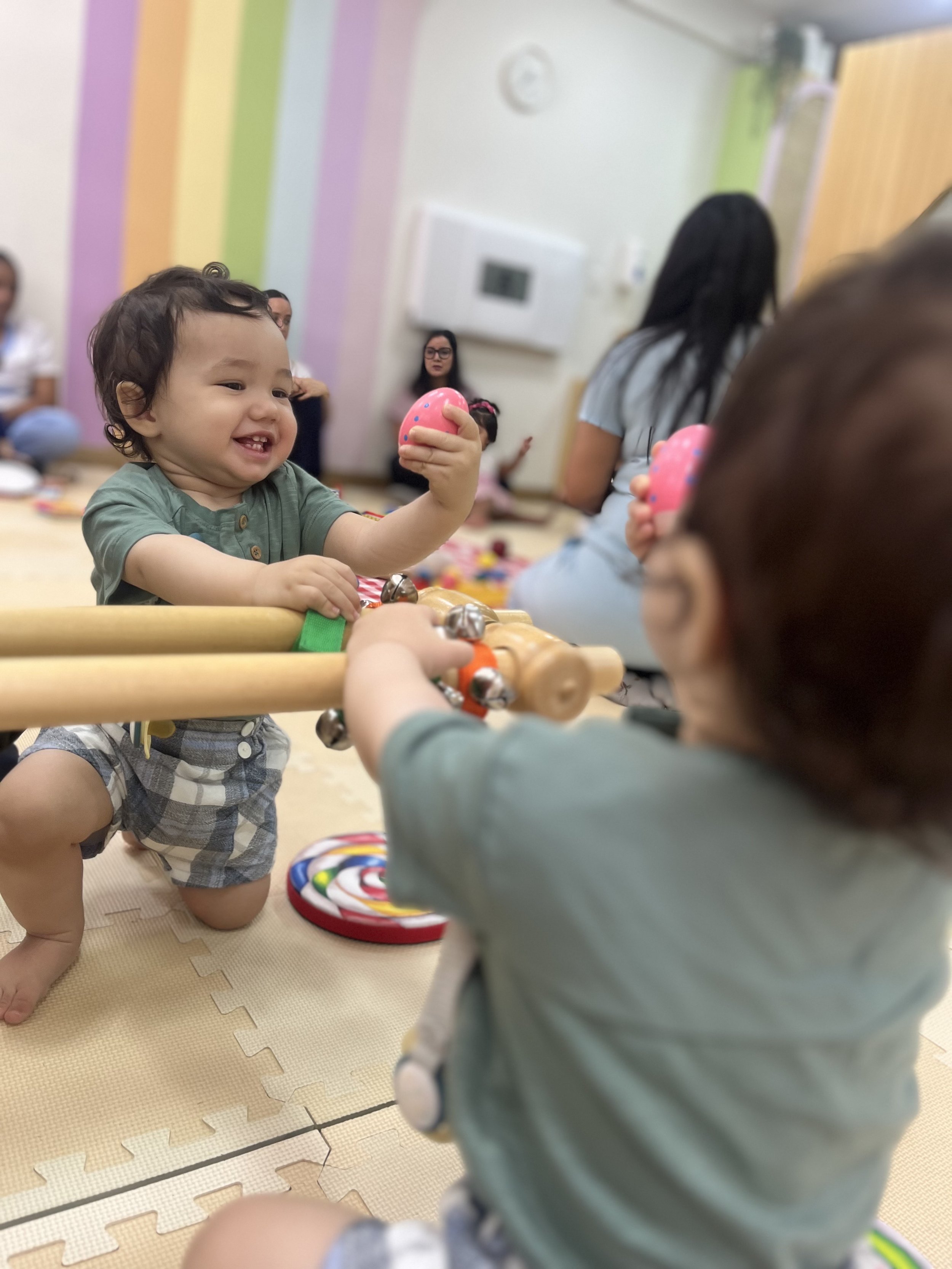
Early stimulation and architectural design are deeply connected because the physical environment is one of the first and most powerful stimuli in a child's life. The spaces we inhabit directly influence how children explore, move, develop autonomy, relate to others, and build their way of learning.
1. Space as an early stimulus
Before the child masters language, the environment is already 'speaking' to them: colors, textures, proportions, light, sounds, and possibilities for movement. Intentional architectural design offers stimuli appropriate to each developmental stage, without overwhelming or limiting.
2. It supports motor, cognitive, and socio-emotional development
A well-designed space allows children to move freely (fine and gross motor skills), make decisions (autonomy), solve problems (cognitive development), and interact with others (social skills). Architecture thus becomes a pedagogical tool.
3. It creates meaningful experiences
Early stimulation seeks experiences that respect the child's natural pace. Architectural design that understands this organizes space by age, creates safe zones for exploration, includes elements that invite spontaneous play, and supports transitions between activities. The result: coherent experiences that foster deep learning and well-being.
4. It strengthens autonomy and confidence
Architecture can be designed so children can reach, choose, explore, and use the space on their own: furniture at their scale, clear pathways, defined areas, corners that invite discovery. This is essential in approaches like Montessori, Pikler, or free play.
5. It creates environments that care
Early stimulation is not just about offering stimuli, but about caring for their quality. Architecture contributes well-managed natural light, acoustic control, noble materials, color harmony, and atmospheres that convey calm. This shapes the child's emotional regulation.
In summary
Early stimulation is the 'what' a child needs to develop; architecture is the 'how' we offer it. When both work together, they create spaces that strengthen integral development, respect children's rhythms, and turn architecture into an everyday companion that drives growth.
Want to explore these principles in your space?
Start your project